Computational Modeling

The Allen Institute has developed a variety of single neuorn and neural network models of the mammalian neocortex along with modeling and visualization tools for their use. This page summarizes these resources and how to use these resources and interact with the team.

Computational Models

Biorealistic Model of Mouse Primary Visual Cortex (V1)

Biologically realistic models of the mouse primary visual cortex (V1), constructed at biophysically detailed and point-neuron levels.

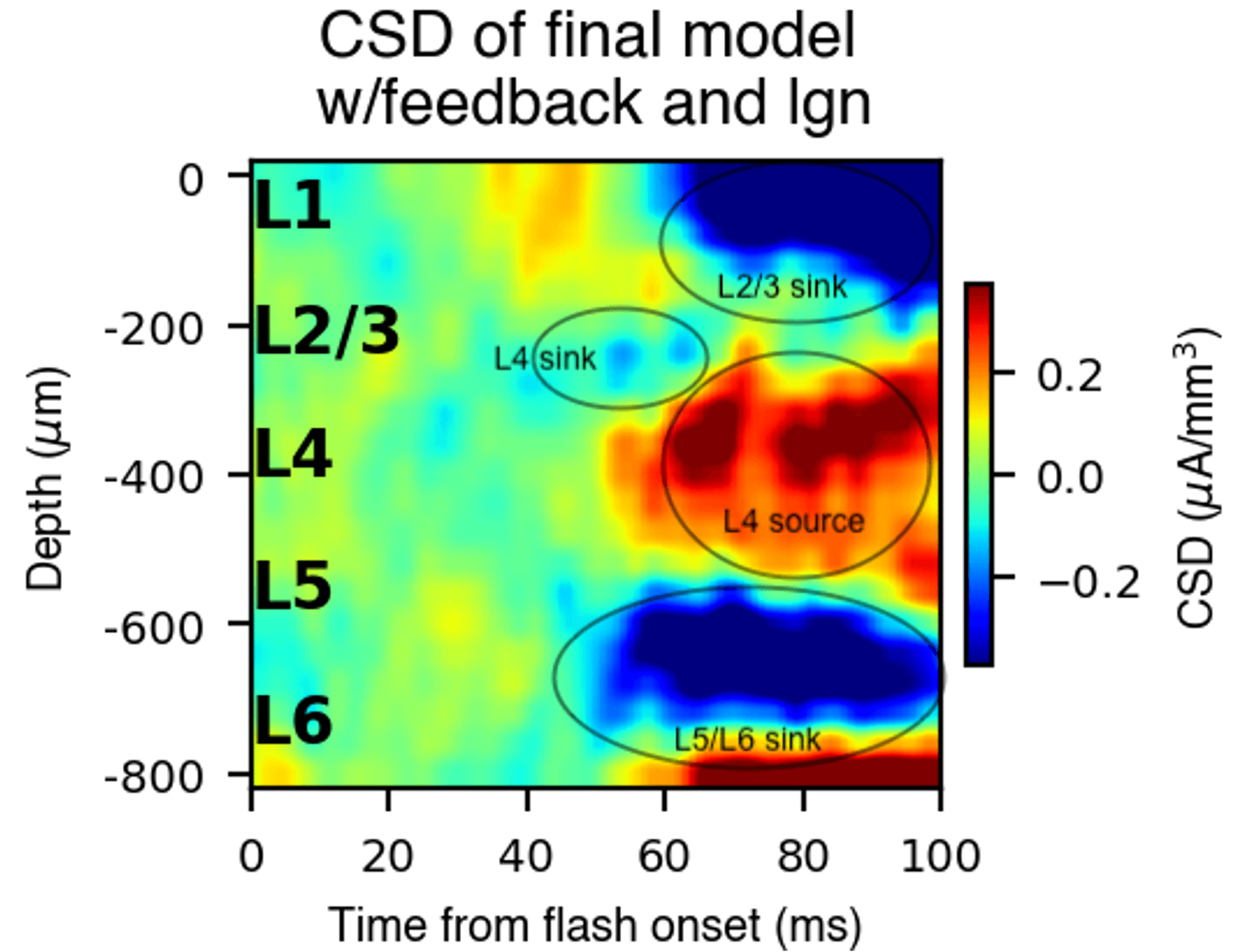
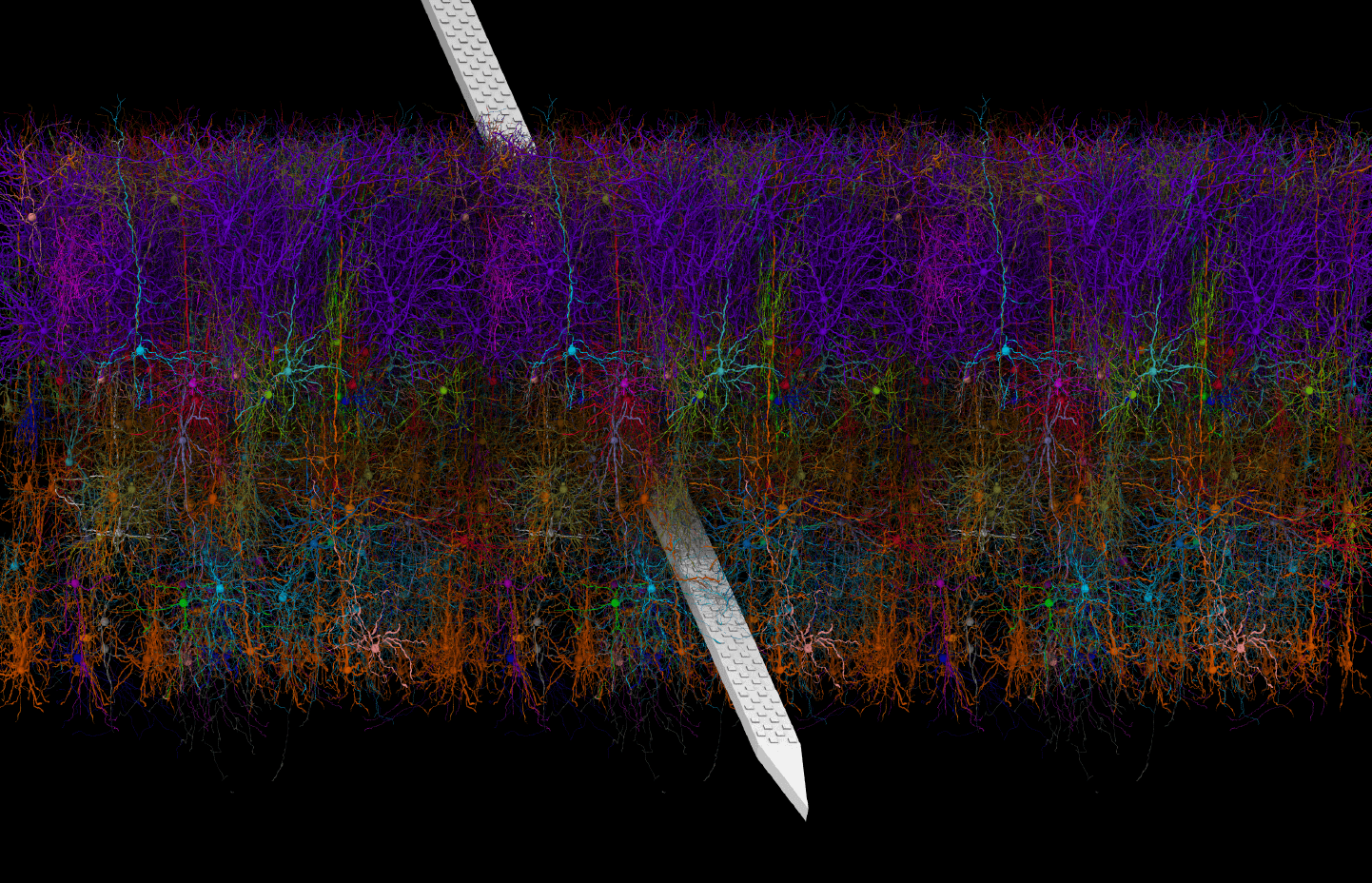
Simulating Cortical Electrical Signals Using the Mouse V1 Model

The mouse V1 model was used to simulate electrical signals (LFP/CSD). Feedback from a higher cortical area was added to obtain a better match with LFP recorded in vivo.

Modeling the mammalian cortex: Layer IV of mouse V1

Biologically realistic models of the cortical lamina (Layer IV; L4) of mouse primary visual cortex (V1) were constructed at the biophysically detailed and point-neuron levels, to explore mechanisms underlying cortical computations in extensive simulations with a battery of visual stimuli.

MCModels: Whole brain voxel-scale connectivity model

MCModels is a Python package providing mesoscale connectivity models for the whole adult mouse brain.

Single Neuron Models

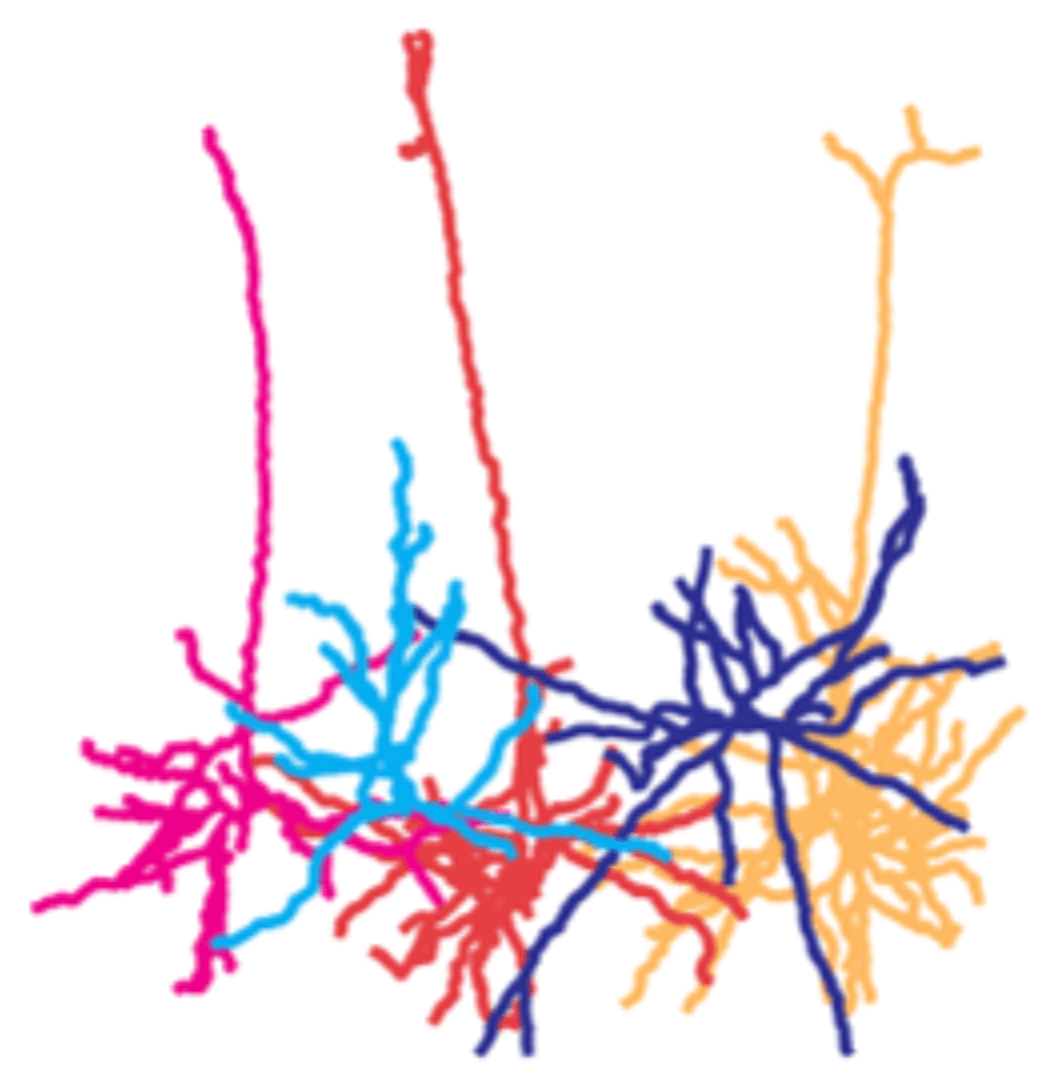
Perisomatic biophysical single neuron models

Biophysically-detailed perisomatic-active models are optimized to reproduce the intrinsic firing patterns and action potential properties of individual cells using electrophysiological recordings and morphological reconstructions.

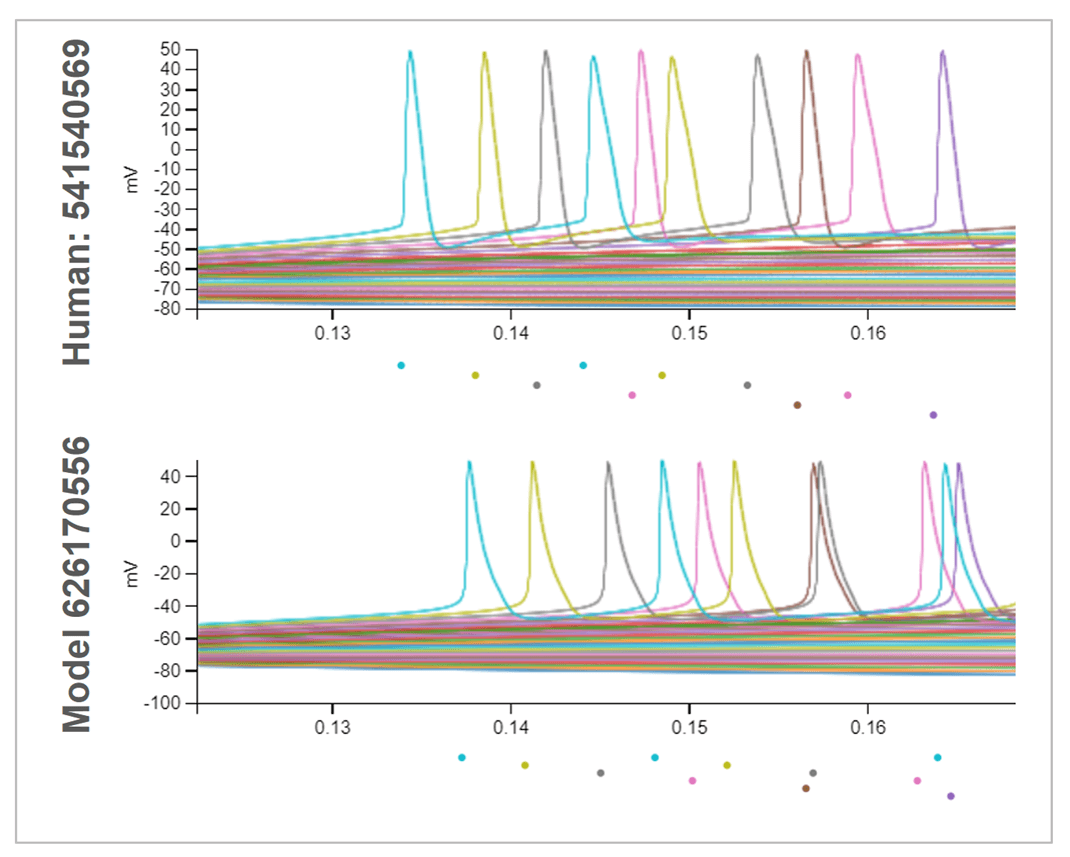
Generalized leaky integrate and fire neuron models

Generalized leaky integrate and fire (GLIF) point-neuron models aim to reproduce the spike times of electrophysiological current clamp data collected from mouse and human cortical neurons.

Modeling & Visualization Tools

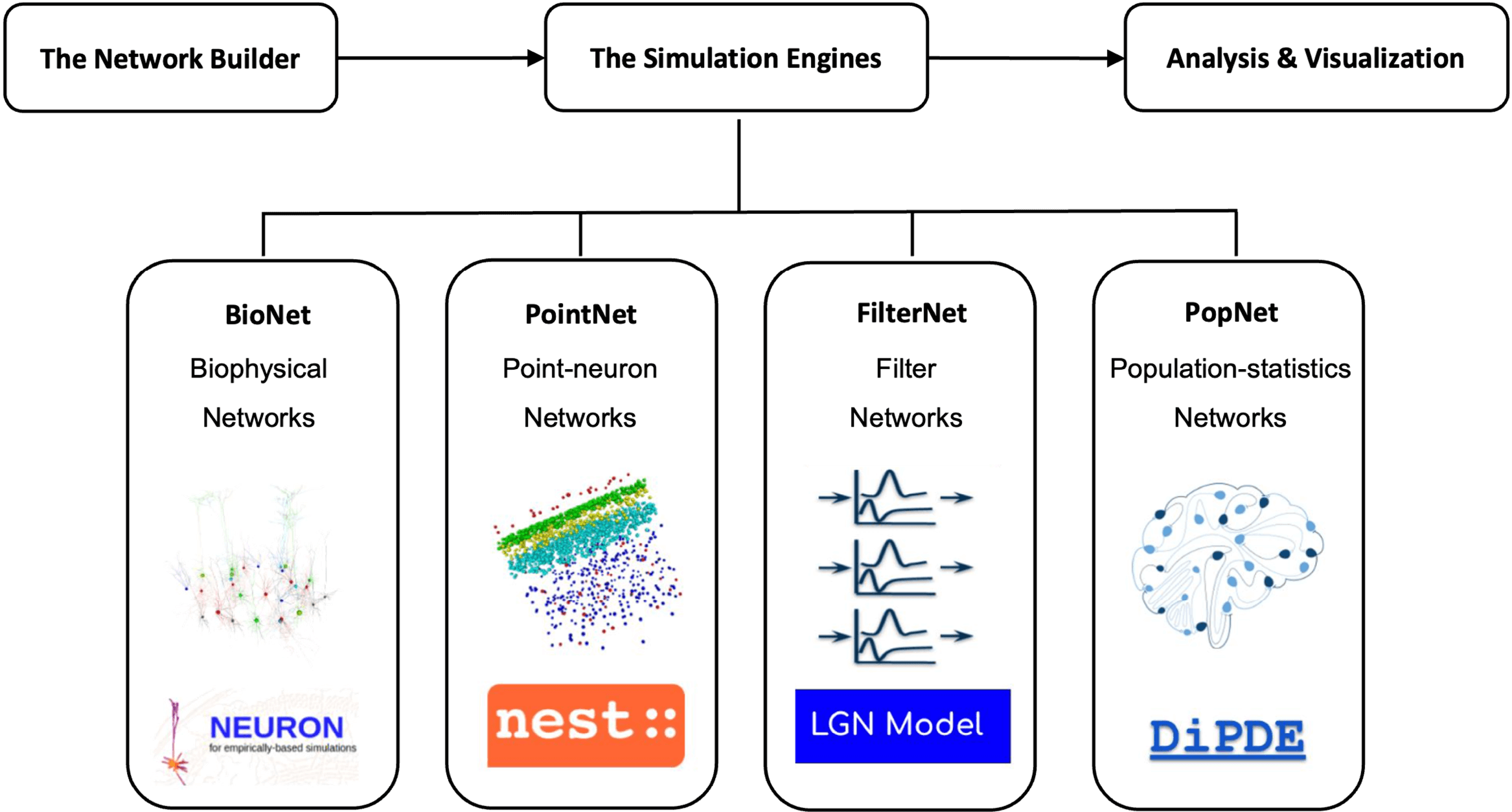
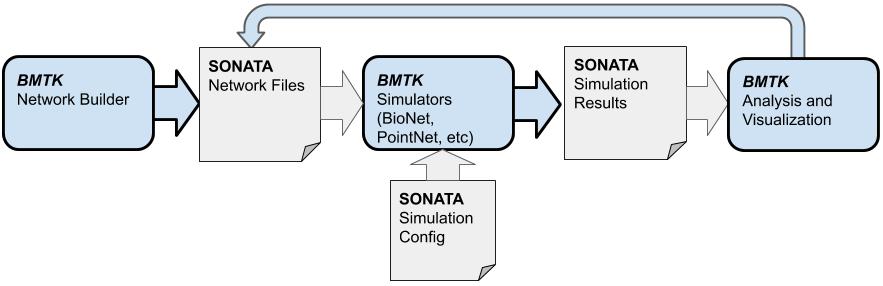
Brain Modeling Toolkit (BMTK)

A Python software package for building, simulating, and analyzing large-scale neural network models at multiple levels of resolution.

SONATA File Format

A cross-platform data format for storing large-scale network models and simulation results.

Visual Neuronal Dynamics (VND)

A software package for 3D visualization of neuronal network models and simulations. Developed collaboratively by groups at UIUC and Allen Institute.

Displacement integro-Partial Differential Equation (DiPDE)

The displacement integro-partial differential equation (DiPDE) population density model refers to a simulation platform for numerically solving the time evolution of coupled networks of neuronal populations. Instead of solving the subthreshold dynamics of individual model leaky-integrate-and-fire (LIF) neurons, DiPDE models the voltage distribution of a population of neurons with a single population density equation. In this way, DiPDE can facilitate the fast exploration of mesoscale (population-level) network topologies, where large populations of neurons are treated as homogeneous with random fine-scale connectivity.